When Fire Changes the Game, We Change the Plan
At Hi-Line Tactical, we believe in adapting with purpose. Our upcoming Fit to Fire hike this October has always been about testing our tactical fitness philosophy in the field, but as anyone who’s spent time in the outdoors knows, planning has to match reality. And reality just threw us a curveball.
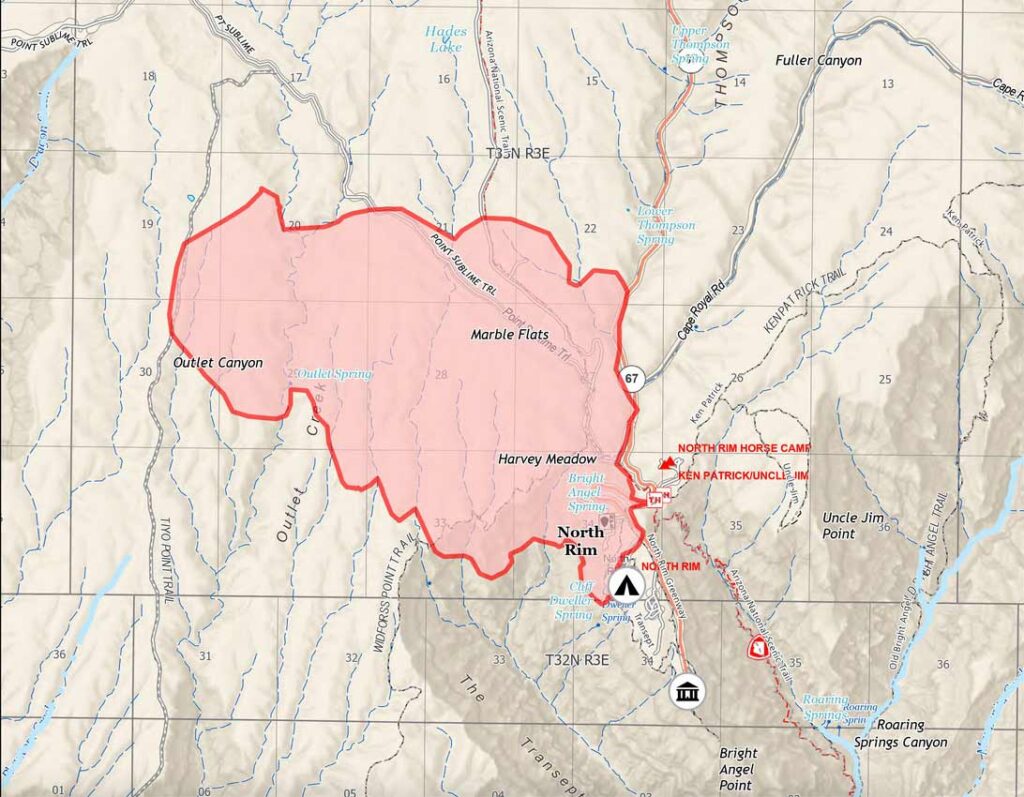
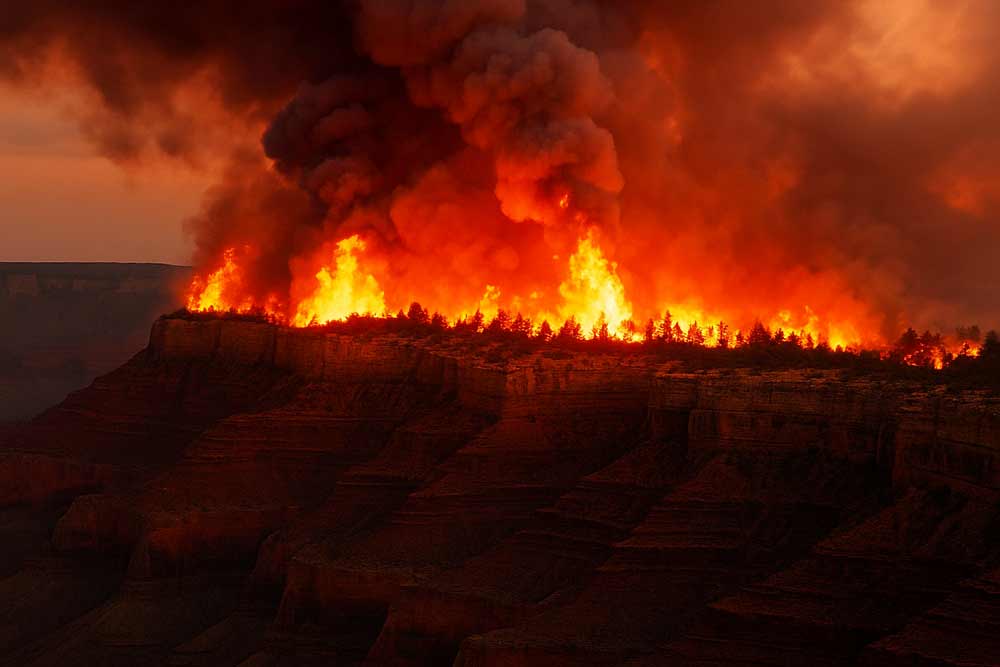
On July 4th, lightning sparked what would become the Dragon Bravo Fire on the Grand Canyon’s North Rim. What started as a single strike has since consumed over 5,000 acres, destroying the historic Grand Canyon Lodge and critical infrastructure along the way. The National Park Service has closed the North Rim for the remainder of 2025, including all corridor trails like North Kaibab and access points to Phantom Ranch. Between the fire damage, hazardous materials, and compromised trail infrastructure, the inner canyon access from the north is simply unsafe.
Our original plan—a classic Rim-to-Rim hike from north to south—was suddenly off the table. But here’s the thing about tactical fitness: it’s not just about physical capability. It’s about mental flexibility and the ability to pivot when conditions change. So we did exactly that.
Instead of canceling or postponing, we’ve redesigned the entire route to work within the current constraints. We’re now tackling an equally ambitious South Rim Loop that starts at the South Kaibab Trailhead at dusk. From there, we’ll walk the Rim Trail west to Bright Angel Trailhead, descend all the way to Phantom Ranch at the bottom of the canyon, then climb back up South Kaibab—completing the entire circuit overnight in a single push. This route keeps us clear of the closed zones while still achieving our goal of reaching the Colorado River and testing our limits both physically and mentally.
We’re not taking this lightly. Adjusting our plan means respecting both the current conditions and the recovery efforts underway. We’re following every National Park Service alert and closure to the letter. Our safety protocols have been enhanced to include support crew radios at key checkpoints, GPS navigation with multiple backups, and detailed check-in protocols throughout the night. We understand this environment is fragile and entering a long restoration process—our presence will be respectful and minimal impact.
The timing actually works in our favor. October nights in the canyon offer cooler temperatures and, if we time it right, moonlight to guide our way. What might seem like a setback has actually created optimal conditions for testing our training system. The overnight format adds an element of mental endurance that aligns perfectly with the Fit to Fire philosophy—real-world readiness means performing when conditions aren’t ideal.
This situation embodies exactly what we mean by tactical fitness. It’s not about following a rigid plan no matter what. It’s about having the physical capability and mental flexibility to adapt when circumstances demand it. Fire forced us to change our route, but it didn’t change our mission. When the environment shifts, we shift our strategy—not our standards.
The Route Changed. The Mindset Didn’t.
As we prepare for October, we’ll be sharing more details about this adapted challenge. In September, we’ll break down our gear selection for night hiking, our comprehensive safety plan, and specific route preparation for tackling the South Rim in darkness. During the hike itself in October, you’ll be able to follow along live through our blog and social channels as we put our training to the test. And come November, we’ll share the raw lessons learned—what worked, what didn’t, and how our training system held up under these unique pressures.
This is what we do at Hi-Line Tactical. We don’t just talk about preparation—we test it under real conditions. The route may have changed, but our commitment to proving that tactical fitness works in the real world remains rock solid.
Stay sharp. Stay ready. Stay Fit to Fire.