
Make Holes, Stop Holes, Fix Holes
There are three parts of preparedness people like to talk about.
Making holes.
Stopping holes.
Fixing holes.
Most people spend plenty of time on the first two.
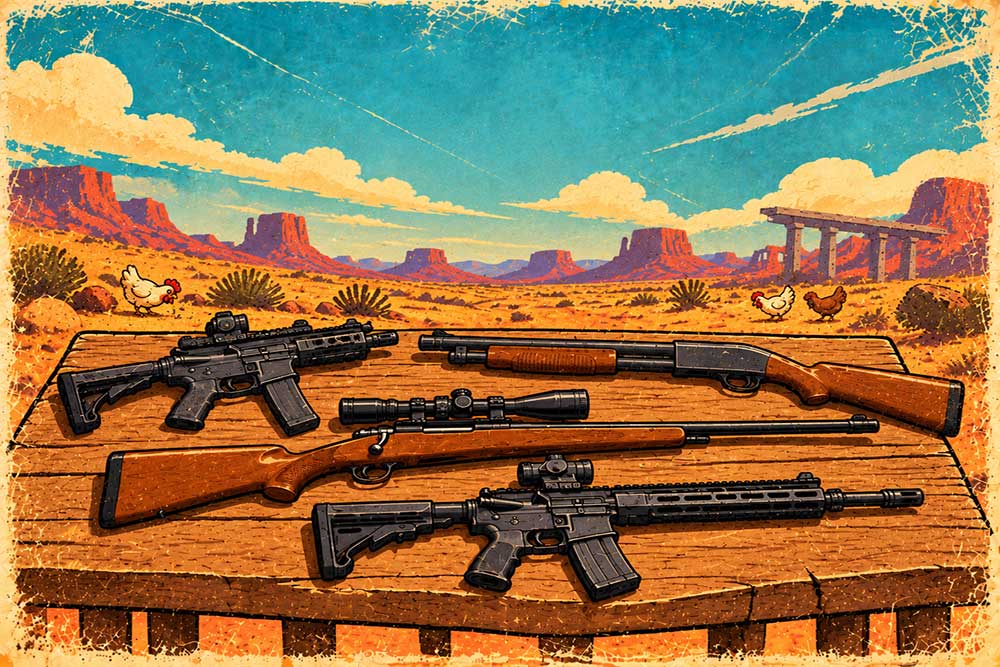
Making holes is the firearm side. Rifles, pistols, ammunition, optics, lights, holsters, upgrades, and the next build.
Stopping holes is the defensive side. Training, armor, plates, movement, cover, and the ability to avoid becoming the easy target.
Those two categories get most of the attention.
They are useful. They are interesting. And if we are honest, they are also the fun part.
We all like gear.
But the third part is usually less flashy.
Fixing holes.
That is the medical side. First aid. CPR. Bleeding control. Splinting. Knowing what to do when someone gets hurt and you are the first capable person standing there.
That skill set may not look as cool in a picture.
But it may be the one that matters most.
The Skill People Skip
There is nothing wrong with good equipment.
But if you have thousands of dollars in firearms, optics, armor, and gear, yet no current first aid or CPR training, there is a gap in your preparation.
A real gap.
Because the medical side is not only for worst-case scenarios.
You may never apply a tourniquet in real life. You may never drag someone from a vehicle or stop major bleeding while waiting for help.
But you might deal with a sprained ankle on a hike.
You might help with a bad cut at the range.
You might keep someone calm after a fall.
You might recognize that something is serious before everyone else does.
Sometimes “fixing holes” means saving a life.
Sometimes it means keeping someone stable until a higher level of care arrives.
Both matter.
Gear Is Not Training
A tourniquet in your range bag is good.
Knowing when and how to use it is better.
A med pouch on your belt is good.
Knowing what is inside it, why it is there, and what problem each item solves is better.
Books and videos can help. They can reinforce knowledge. They can give you ideas.
But they are not a replacement for training.
You do not become useful in an emergency by watching a few videos online or flipping through a survival manual and assuming you will figure it out when the time comes.
That is not a plan.
That is hope.
And hope is not training.
Start Simple
You do not have to become a paramedic to be useful.
Start where you are.
Take a basic first aid class.
Get your CPR certification.
If your CPR card is expired, renew it.
Take a Stop the Bleed class.
Learn how to use the medical equipment you already own.
If you want to go further, go further. Take wilderness first aid. Take an emergency medical responder course. Get your EMT certification, even if you have no intention of working in the field.
But do not let the higher levels keep you from starting.
Basic skills still save lives.
Spend Accordingly
Preparedness has to be balanced.
If all your time and money go toward making holes and stopping holes, but none of it goes toward fixing holes, your priorities need another look.
The next rifle build can wait.
The new optic, camo pattern, or plate carrier setup can wait.
Put some of that money toward training that may actually help you keep someone alive.
Take the class.
Build the skill.
Keep the certification current.
Know what is in your kit.
Because the person who can shoot, move, and communicate is useful.
The person who can also render aid is more useful.
Make holes.
Stop holes.
Fix holes.
Do not skip the last one.