Hi Line Tactical | Fit to Fire: Tested on the Trail Series
As we enter Week 9 of our 16-week Rim-to-Rim training plan, the reality of the challenge ahead is setting in and so is the rhythm. This month marks the second half of our preparation phase for the October hike, and our focus is shifting from foundation-building to refinement: dialing in gear, progressing endurance, and layering tactical readiness on top of physical conditioning.
Phase 1 Review: Weeks 1–8
The objective is a single overnight crossing of the Grand Canyon, demanding both physical conditioning and tactical readiness. The initial eight-week phase established baseline conditioning through integrated training protocols:
Training Components
- Mobility: Daily yoga sessions
- Cardiovascular Development: Progressive runs, rucks, hikes, rowing, and HIIT sessions
- Tactical Proficiency: Live fire and dry fire exercises
- Functional Fitness: Load-bearing work including ruck marches and manual labor
Key Milestones
- Week 2: Tactical carbine and pistol range sessions established stress-shooting protocols
- Week 4: Strategic deload for adaptation and recovery
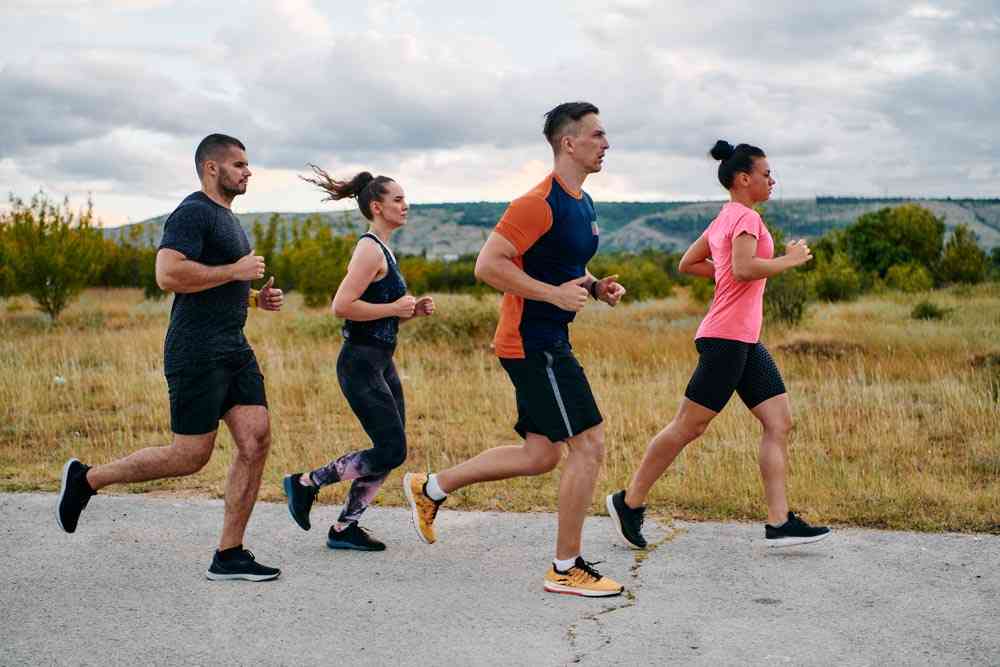
- Weeks 6–8: Run progression from 4K to 7.8K while maintaining sub-8:00 min/km pace
- Weekly Ruck Progression: Incremental increases in distance and elevation gain
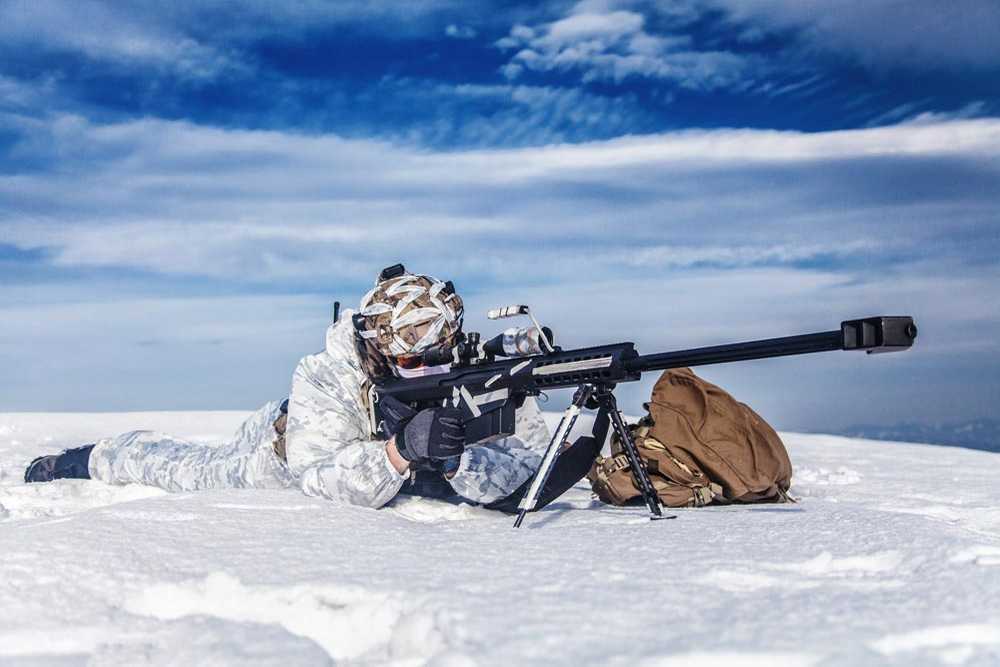
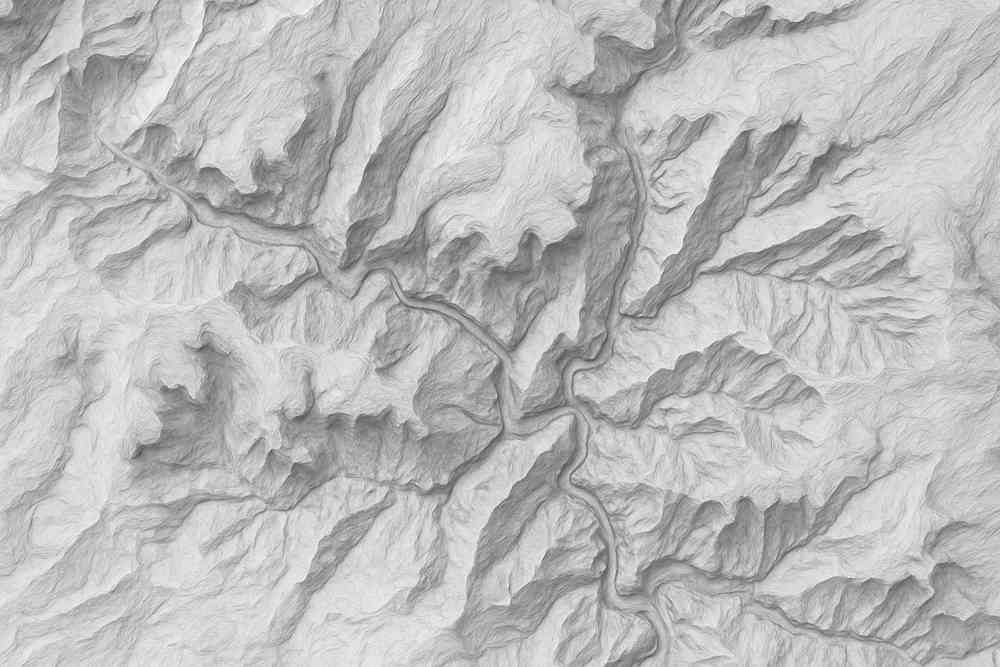
- Saturday Long Sessions: Extended efforts ranging from 6.9km off-trail navigation to precision shooting at 1200 yards
Weekly Training Structure
The program follows a systematic approach to balance physical stress, recovery, and skill development. Each week begins with complete rest on Sunday, allowing for full recovery before the training cycle resumes.
Monday serves as Foundation Day, starting with morning yoga before moving into an ESR run of 4–5K and a 2,500m row. Some athletes add an optional afternoon recovery walk, depending on how they’re feeling.
Tuesday shifts focus to high-intensity work. After morning yoga, the session alternates between HIIT-cardio and HIIT-strength protocols, building explosive power and cardiovascular capacity.
Wednesday introduces load-bearing challenges with up-armored training. The morning yoga session prepares the body for a 5K ruck and 2,500m row, both performed while wearing tactical gear. This simulates the sustained effort required for the canyon crossing.
Thursday maintains the tactical focus with Performance Under Pressure (PUP) training. Following morning yoga, shooters work with either pistol or carbine, conducting most drills up-armored to merge marksmanship with physical stress.
Friday dials back intensity for active recovery. The day consists of yoga only, with an optional 1.6km walk for those who need light movement.
Saturday represents the week’s primary endurance effort. After morning yoga, athletes complete an extended run of 7–10K followed by a 3,500m rowing session. Depending on the training phase, Saturday may also include shooting drills or elevation hikes to build specific adaptations for the canyon terrain.
Looking Ahead: Weeks 9-16
Week 9 continues the steady build with longer rucks and consistent ESR work. Nothing revolutionary here—just keeping the momentum going and adding distance where it counts.
Week 10 is where things get interesting. We’re calling it “Hike Week” and committing to a minimum of 5 trail miles every single day. The miles are nice, but this is more about a full shakedown of gear, pacing, and recovery protocols. By the end of the week, we’ll know exactly what’s working and what needs to change.
After that push, Week 11 becomes a strategic recovery week. We’ve been stacking training weeks pretty aggressively, and this pause is intentional. The body needs time to adapt to all the work we’ve thrown at it.
Weeks 12 and 13 pick back up where Week 9 left off, maintaining the progressive loading without overdoing it. The goal is consistency, staying sharp without burning out.
By Week 14, we stop building entirely. The work is done at this point, and adding more would just create unnecessary fatigue. Week 15 brings an aggressive taper: light morning yoga, easy runs to the pool, and 1,000–2,500 meter fin swims. Just enough movement to stay loose without accumulating any real stress.
Then comes Week 16, game time. One continuous push from the South Rim to the South Rim, overnight, carrying everything we need. The route’s been modified due to the 2025 fire conditions, but the challenge remains the same.
Gear That’s Made the Cut
We’re now deep enough into training that our gear is being tested under weight, sweat, and terrain. Below is our current Rim-to-Rim “loadout.” All gear has been field-tested during the past eight weeks of training.
Pack & Navigation
- Gossamer Gear lightweight pack (sub-20 lb target weight)
- 2–3L CamelBak hydration system (primary)
- 1L Nalgene bottle (electrolyte mixing)
- Trekking poles
- Primary headlamp with spare batteries
- GPS device with elevation tracking
- Map and compass (backup navigation)
- Two-way radio for team coordination
Safety & Emergency Equipment
- Comprehensive first aid kit (blister management, electrolytes, minor trauma)
- Emergency space blanket
- Multi-tool/knife
- Duct tape and paracord
- Fire starter
- Rain jacket and beanie
Personal Equipment
- Phone with portable charger
- iPod for pacing assistance
- Trail hygiene supplies
Clothing
- Trail shoes (multiple pairs in rotation)
- Technical hiking tights/shorts
- Wool-blend socks
- Moisture-wicking base layers
- Compression garments (legs/arms)
- Sun protection layers
- Mid-layer insulation for temperature management
Nutrition
- Electrolyte supplementation (Nuun/Liquid I.V.)
- Trail nutrition: PB&J sandwiches, meat sticks, cheese
- Target: 200–300 calories per hour
- Hydration protocol: Continuous intake via bladder, electrolyte cycles at rest stops
We’re continuing to dial in pack weight, layering strategies, and foot care routines. Everything on this list has made the cut so far, but we’re not done tweaking. A few late-game adjustments will be made during Week 10’s daily hikes and gear shakedown.
The training program has successfully integrated physical conditioning with tactical skill maintenance. The overnight Grand Canyon crossing presents unique challenges requiring careful preparation across multiple domains: physical endurance, navigation capability, gear selection, and mental resilience