Using the Pocket Range for Effective Dry Fire Practice
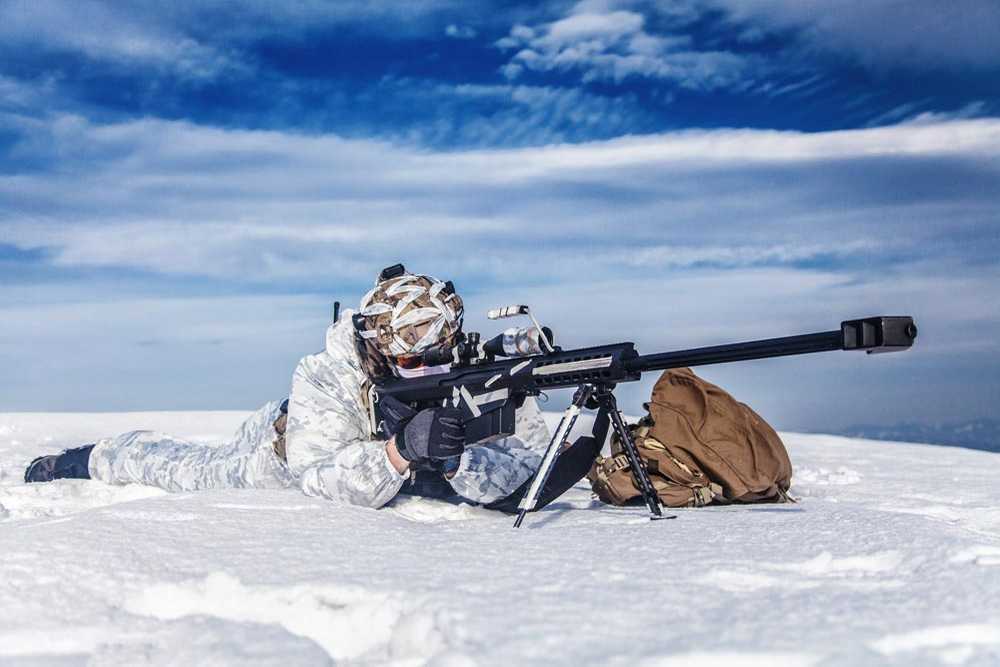
As winter sets in across much of the country, range access becomes harder to come by. Cold temperatures, snow, limited daylight, and closed facilities all add friction to consistent live-fire training. That doesn’t mean training stops, it means training shifts.
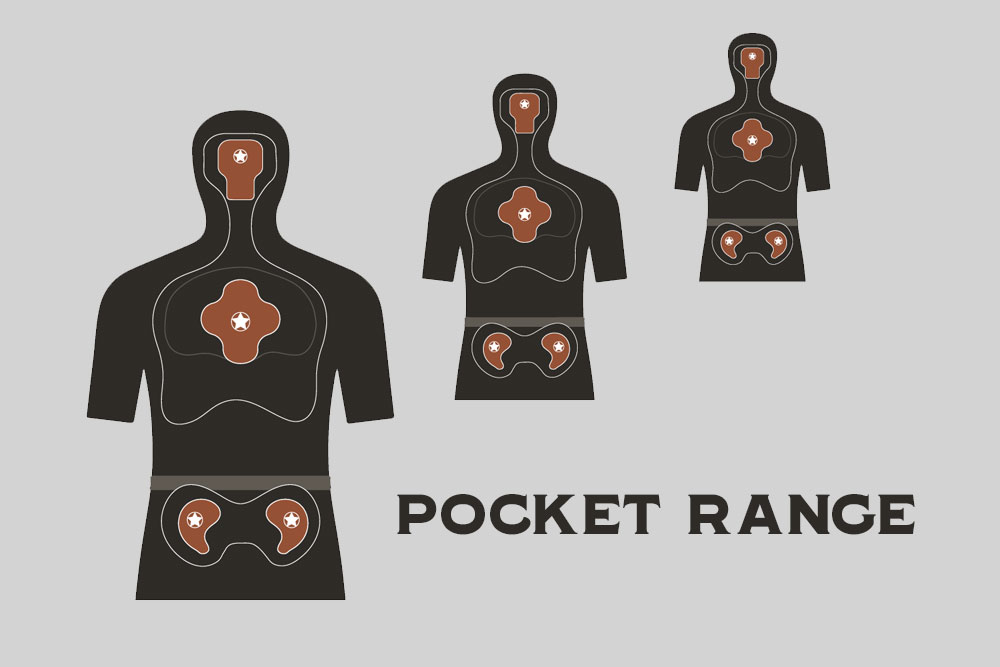
This is where structured indoor dry fire work becomes not just useful, but necessary. One of the free resources we offer at Hi-Line Tactical is the Pocket Range, a printable target system designed specifically for dry fire practice in limited space. Used correctly, it allows shooters to work on fundamental skills that directly transfer to live fire, even when outdoor range time isn’t an option.
What the Pocket Range Is (and Isn’t)
The Pocket Range is not a novelty target and it’s not meant to replace live fire. It’s a scaled training tool that simulates distance using reduced target sizes placed at a fixed, close distance. The system includes multiple silhouette targets representing simulated distances (50, 75, 100, 200, and 300 yards) when placed approximately 5–7 yards from the shooter. This allows you to train visual discipline, sight alignment, trigger control, and positional stability in a realistic way without needing a long range or ammunition.
Setting Up the Pocket Range
Setup is intentionally simple:
- Print the Pocket Range targets at full scale
- Mount them securely on a flat surface (wall, target stand, or cardboard backer)
- Place the targets approximately 5 yards from your shooting position
- Maintain that same distance consistently—do not move closer to “make it easier”
The discipline comes from working the process correctly, not chasing perfect hits.
How to Use It for Meaningful Dry Fire
The Pocket Range works best when paired with deliberate, controlled dry fire, not rushed repetitions.
Key focus areas include:
Trigger Control Use slow, intentional trigger presses. The reduced target zones magnify errors, forcing you to stay honest about sight movement and grip pressure.
Sight Alignment & Visual Focus Whether you’re running irons, red dots, or an optic, align and confirm your sights exactly as you would during live fire. Higher magnification is discouraged at this distance; it introduces artificial focus issues and masks mistakes.
Follow-Through Dry fire allows you to exaggerate proper follow-through without recoil. Watch what your sights do during and after the trigger break.
Transitions & Target Acquisition The layout allows you to move between different simulated distances, forcing deliberate transitions and re-acquisition of sights, skills that degrade quickly without practice.
Positions Standing is only the baseline. Incorporate kneeling, prone, and supported positions to replicate real-world shooting constraints and stability challenges.
Why This Works
Dry fire is most effective when it introduces constraints. The Pocket Range creates those constraints through scaled targets that punish sloppy mechanics. At five yards, a simulated 200 or 300-yard target demands the same visual patience and trigger discipline as a real one. You can’t muscle your way through it. You either execute correctly or you don’t.
That’s exactly what you want during the winter months: feedback without ammunition cost, and repetition without bad habits.
Making Winter Training Count
Winter is where skill gaps either grow or close. If you wait for perfect conditions to train, consistency suffers. If you use the time to reinforce fundamentals, spring live-fire sessions become confirmation, not correction. The Pocket Range is a simple tool, but it’s built for shooters who understand that progress comes from controlled reps, not convenience.
Download it, set it up correctly, and use it with intention. When the range opens back up, you’ll notice the difference.