For Those Who Served, Those Still Serving in Different Ways, and Those Who Never Came Home
Veterans Day feels different to me today than it did when I first became a veteran roughly 20 years ago. Back then, nobody was disrespectful about it. Serving in the military was generally considered honorable, and people certainly appreciated those who had served, but there did not seem to be the same awareness of veterans that there is today. Maybe part of that is simply my own perspective changing with age, but I also think the country has changed.
For much of the last few decades, the United States has had young men and women deployed into wars, counterterrorism operations, and other dangerous places around the world. Military service became something Americans saw regularly again, and an entirely new generation of veterans came home. I remember a time when I could walk into the VA and feel like one of the youngest people in the building. That is not unusual anymore. Now it is common to see men and women who are still very young sitting in those same waiting rooms. Some served in Iraq, some in Afghanistan, and some in places most Americans could probably not find on a map.
They are veterans just the same.
There Is a Bond
One of the things that is difficult to explain to someone who has never served is the connection veterans seem to have with one another. It does not necessarily matter which branch you served in, and it does not necessarily matter when you served. Sometimes you do not even have to know the person.
I cannot count the number of meals, conversations, introductions, and friendships that have started with something as simple as, “Oh, you should meet so-and-so. He was in the Navy. Worked on a flight deck.” Okay. Bring him over. Five minutes later, everyone is sitting around a table telling stories like they have known each other for years.
There is a common language there. The details may be completely different, but something about the experience translates.
And Then There Is the Trash Talk
Of course, part of that bond is reminding everyone that your branch was obviously the best one. This is usually done with absolutely no bias whatsoever.
I have a friend who spent 20 years as a firefighter in the Air Force. Whenever his service comes up, I like to explain that he was in the Chair Force, because somehow those guys always seemed to have a chair nearby. He takes it well. Mostly.
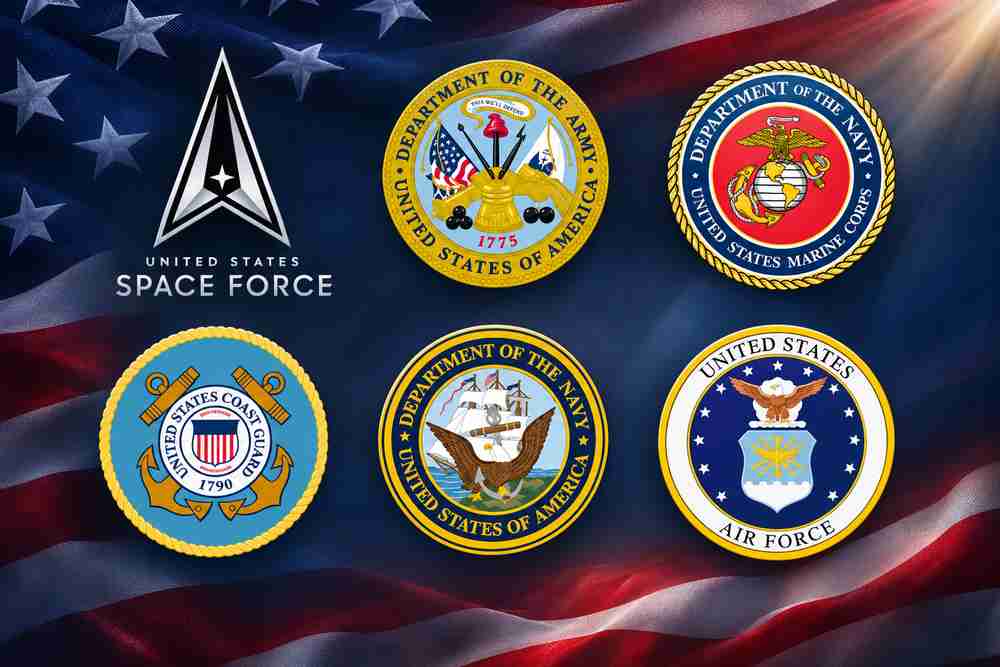
Every branch has its version of this. Marines make fun of the Army. The Army makes fun of the Marines. Everybody gives the Air Force a hard time about accommodations, and the Navy has probably heard enough jokes about being stuck on boats to last another 250 years.
But it is usually the kind of abuse reserved for family. You can give another veteran grief about their branch all day long, but let somebody from outside the family try it and suddenly everyone remembers that we are on the same team.
And yes, we should include the Space Force too. They are still so new that some of us are waiting for their veteran stories to catch up with the jokes. Give them time. They will get there.
Veterans Tend to Operate a Little Differently
I have also noticed something about veterans after they move into civilian life. There seems to be a tendency to just do what needs to be done. Not because somebody is watching, not because there is going to be recognition for it, and sometimes not even because anybody asked.
Something needs picked up, so you pick it up. Someone needs help, so you help. A job needs finished, so you finish it.
Is that every veteran? Of course not. We are a pretty diverse group of people. But I have met enough veterans over the years to recognize the pattern. There is often a sense of responsibility that follows people home from the military.
Do the right thing. Take care of the person next to you. Leave things a little better than you found them. Then move on.
A Much Bigger Group Than We Sometimes Remember
Veterans Day is about the living veterans among us, but it is nearly impossible to recognize them without also thinking about those who are gone. America has been sending young men and women into dangerous places since before we officially became a country.
Some came home and lived another 70 years. Others never got the chance. Some fought in conflicts that everyone knows. Others served in places that barely made the news.
There are generations of Americans who carried rifles, flew aircraft, crewed ships, drove trucks, treated wounded people, fixed equipment, hauled supplies, gathered intelligence, and did thousands of other jobs necessary to keep the person beside them alive and accomplish whatever mission they had been given.
Many of their names are now engraved on monuments. Many are buried beneath simple government headstones. And many are remembered primarily by the people who served beside them.
They deserve a place in our thoughts today too.
The People Outside the Uniform
I would also add another group that sometimes gets overlooked: the civilian contractors who have worked alongside American military and government personnel in dangerous places around the world.
Many of them are veterans themselves. Some are not. They fly aircraft, maintain equipment, provide security, move supplies, support intelligence operations, keep communications working, and perform countless other jobs in places where the distinction between military and civilian can become pretty thin when things go bad.
They generally do not receive the same public recognition when they are wounded or killed. There is no uniformed service automatically telling their story, and sometimes the work they were doing cannot be talked about much at all.
But many of them continued doing difficult and dangerous work long after they technically became civilians.
They should not be forgotten either.
Twenty Years Later
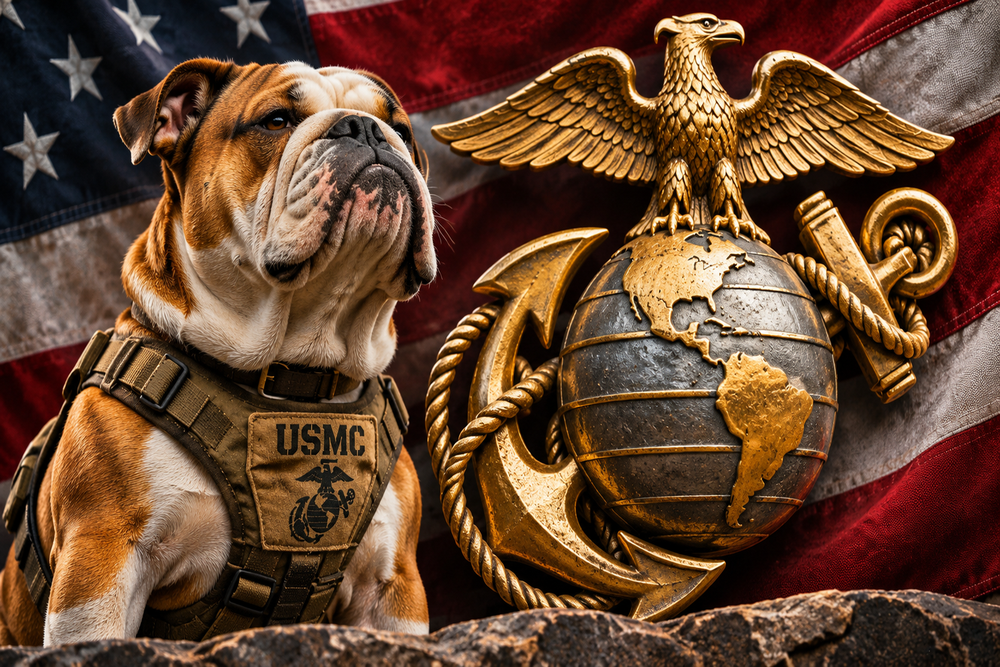
It has been roughly two decades since I first became a veteran, and today I think Americans generally make more of an effort to recognize veterans than I remember seeing when I first left the Marine Corps.
You hear “thank you for your service.” Businesses offer veterans meals. People wear unit hats and shirts. Communities hold ceremonies. Kids learn what Veterans Day means.
None of those things are why anyone served, but they matter.
Especially because somewhere in that restaurant, grocery store, VA waiting room, or airport may be an 80-year-old veteran wearing an old unit hat. Sitting twenty feet away might be a 25-year-old veteran who came home only a couple of years ago.
They may have served half a century apart. Different wars, different equipment, different military.
But there is still a connection.
Sometimes all it takes is somebody noticing the hat.
Today, Find One
So on Veterans Day, thank a veteran if you get the opportunity, but maybe take it one step further. Sit down. Buy them a cup of coffee. Ask what branch they served in. Ask what they did. Listen to the story.
You may hear something funny. You may hear something remarkable. You may hear something they have not talked about in 40 years. Or you might simply end up having a really good meal with someone who was a complete stranger ten minutes earlier.
That happens more often than you might think.
To everyone who wore the uniform, to those who continue doing difficult work after taking it off, and to the generations who are no longer here to tell their own stories, we remember you.
And yes, even the Space Force.
They are family too.
Happy Veterans Day.